



5G Connectivity
Automotive 5G connectivity test solutions
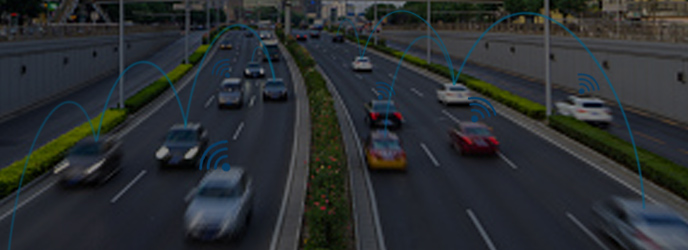
Connected Car, Always and Everywhere
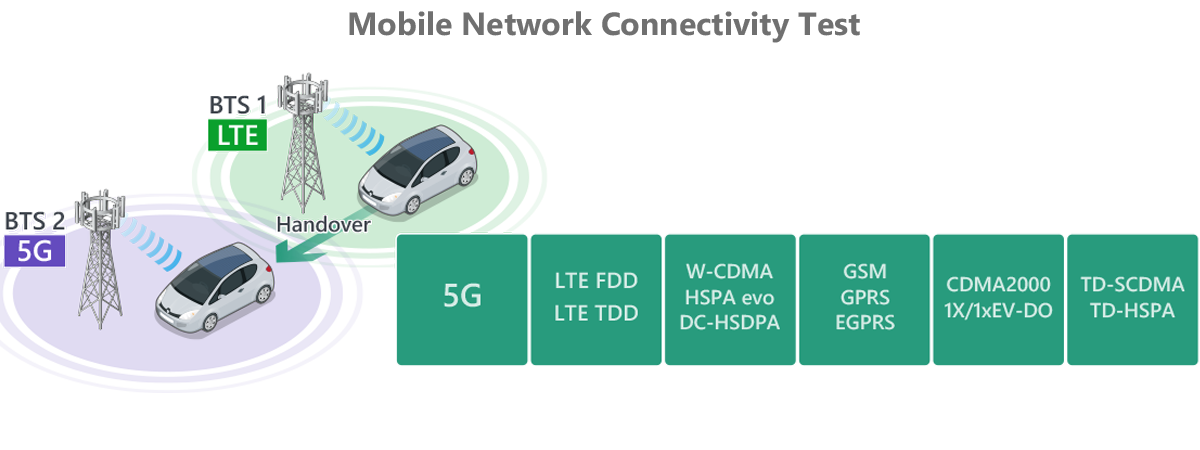
Connected car must have a stable mobile network connection in every location. Because each country or region uses different mobile network specifications, the connected car must support all 5G/4G/3G/2G mobile networks for the destination where it will be used.
Mobile networks consist of base stations locating their communication range as cells. As a result, when a connected car moves between cells, it must switch (handover) communications seamlessly between several base stations to ensure an uninterrupted connection. Additionally, mobile networks use a roaming function to ensure a stable connection when moving between different service provider areas, such as when crossing the border.
The implementation of connected car requires extensive evaluation of these functions.
Application Note (PDF):
Radio Function Test for Telematics Control Unit
Case Study (PDF):
In-vehicle Wireless Communications Systems
Convenient and Comfortable Driving
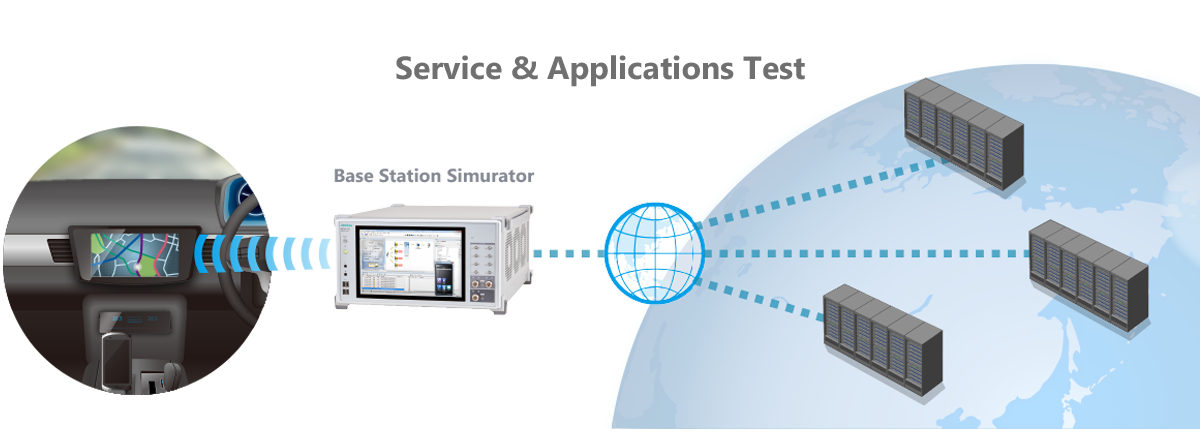
Incorporating wireless communications functions in cars enhances the driving experience, such as the convenience of receiving real-time information on mapping, traffic, and area services. Due to recent technological advances such as self-driving and advanced driving support systems, connected car is now equipped with Over-The-Air (OTA) wireless communications to update electronic equipment software as needed.
Securely ensuring these service functions requires application testing for presumed use cases regardless of the communication environment. Moreover, mobile network cybersecurity tests are required for safety.
Leaflet (PDF):
Evaluating Cyber-Security Weakness of Vehicles using Cellular Communications
Legislation and Standards Compliance
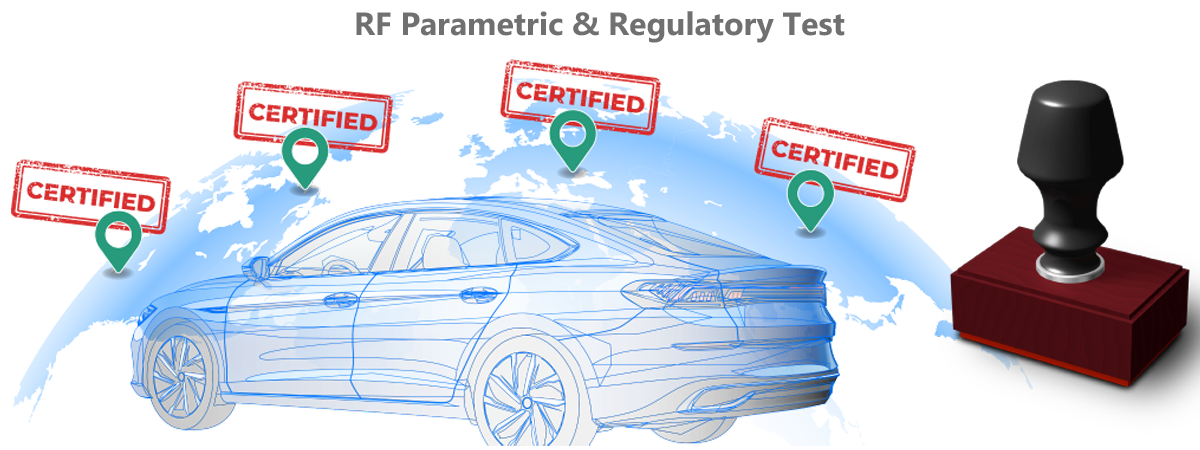
Different countries and regions use different communication standards, such as 5G/4G/3G/2G. This means the in-vehicle communication equipment, such as the telematics control unit (TCU), must comply with the 3rd Generation Partnership Project (3GPP) communication standards required in the destinations where the vehicle will be sold and used. Furthermore, it is necessary to obtain the certification of legal compliance as the permitted frequency bands and Tx power levels of radio waves vary by country.
Therefore, evaluation of wireless Tx performance, Rx sensitivity, and more, is essential for each communication standard and frequency band. However, automated test solutions are required due to the complexity of the testing.
Because radio interference among the various in-vehicle communication systems can occur, as well as noise and blocking of signals by metallic parts, each system should be verified independently as well.
Video:
3GPP RF Test Solution beginning from Minimum Configuration
Leaflet (PDF):
Single Box Solution for RF and Application Testing of 5G SA/NSA Devices
Vehicle Communications Test Solution
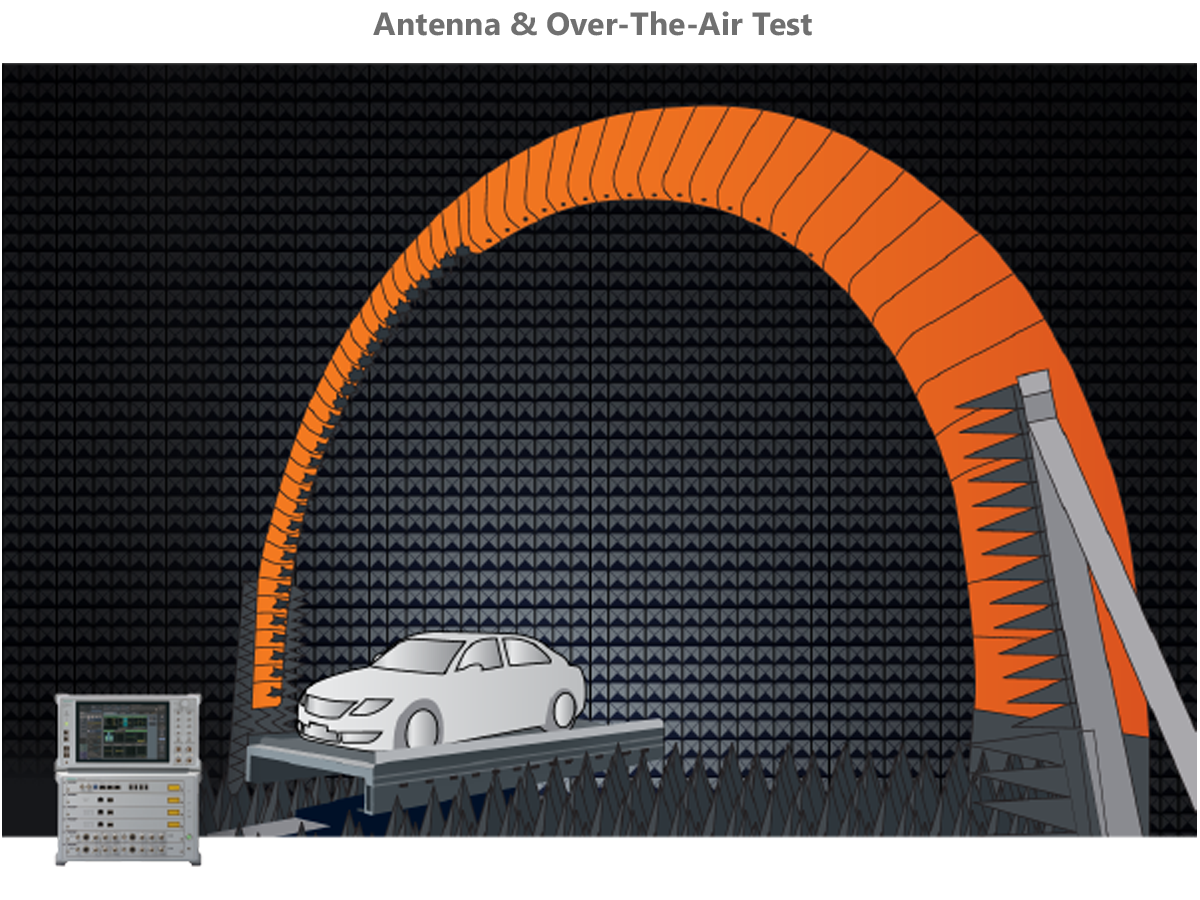
Final driving evaluation is conducted for the completed vehicle with installed equipment and connected antennas, although the performance of in-vehicle equipment, such as the TCU, can also be evaluated independently. However, the impact of radio waves from various external sources can cause issues with quantitative evaluation and reproducible test results. OTA tests using a radio anechoic chamber are an ideal solution to this test challenge because there is no impact of external radio signals on test reproducibility.
Differences in the body shapes of each car model and in the position of noise sources must be considered in evaluating how they affect the wireless communication performance. Therefore, conducting numerous benchmarking tests requires an effective test solution using automation for each vehicle type, model, and category.
Leaflet (PDF):
White Paper:
OTA Testing in 5G NR: Challenges, Solutions & Best Practices
Manufacturing Test Solution
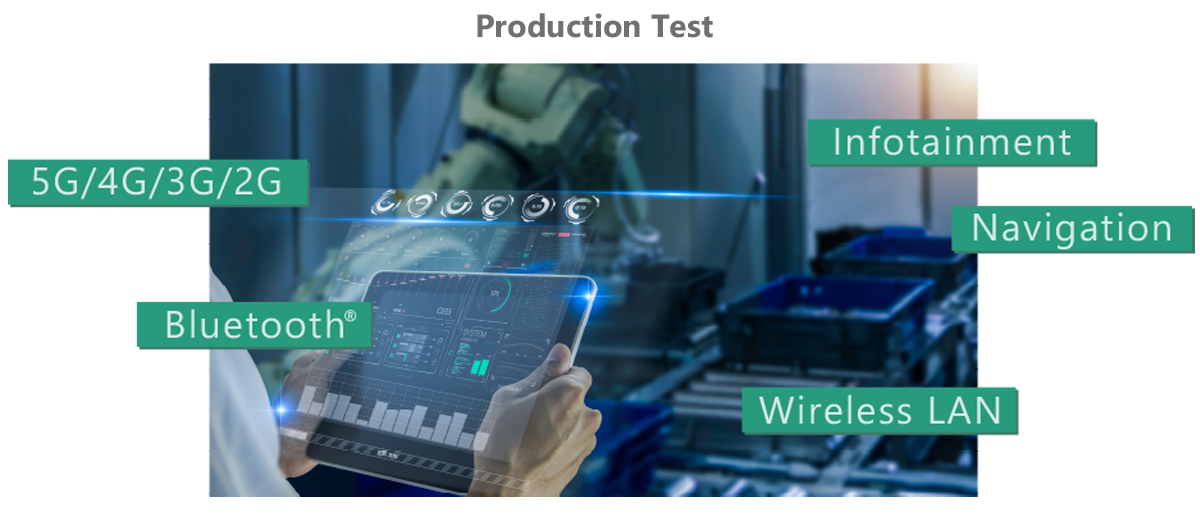
Various communication functions are incorporated into the vehicle's communication equipment.
Production lines for communication equipment and modules conduct the various tests required by each wireless communication specification and standard, including the test items such as Tx power, Tx modulation accuracy, Rx sensitivity, and spectrum mask.
The increasing number of measurement stages required by each wireless communications specification, longer setup time for each stage, and the increased number of test engineers, equipment and locations results in higher manufacturing costs.
Anritsu’s all-in-one test solution is designed to improve your competitiveness with optimized production cost and increased productivity and efficiency.
Product Brochure:
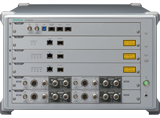
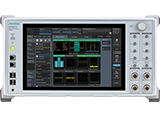
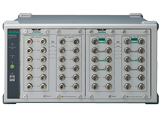
Universal Wireless Test Set MT8870A/MT8872A
The Bluetooth® word mark and logos are registered trademarks owned by Bluetooth SIG, Inc. and any use of such marks by Anritsu is under license.
Resources



Related Links

Related Products

Contact Us


Copyright 2026