



Millimeter Wave Test Solutions
Optimal measuring instrument for evaluating communications and sensing
Millimeter waves (30 to 300 GHz) are used in applications such as communications and sensing. Millimeter waves are advantageous given their relatively wide bandwidth, which enhances communication capabilities, and their short wavelength, which enables the precise detection of objects and their positions in the case of sensing applications. Non-Terrestrial Networks (NTNs) rely on millimeter waves for communication between satellites and the ground. Radar technology also utilizes millimeter waves. In the automotive industry, millimeter waves play a crucial role in safety systems, including accurate distance measurement, obstacle detection, and Child Presence Detection (CPD). In addition, several medical devices adopt millimeter wave technologies to monitor vital information such as breathing rate and heart rate. Millimeter waves have thus become a central part of our daily lives.
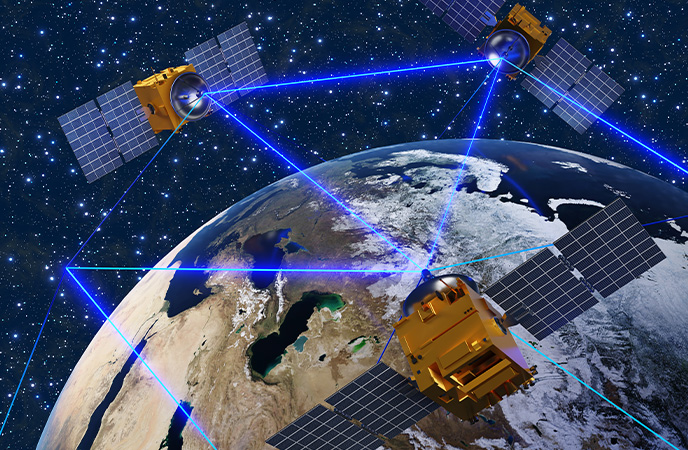
Non-terrestrial networks

Automotive millimeter radar

Child presence detection

Wireless power transfer

Vital sensor
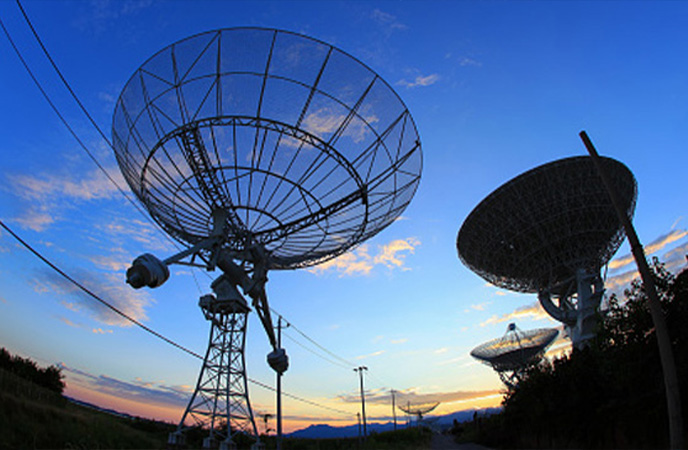
Radio telescope
Challenges Facing Testing to Use Millimeter Waves
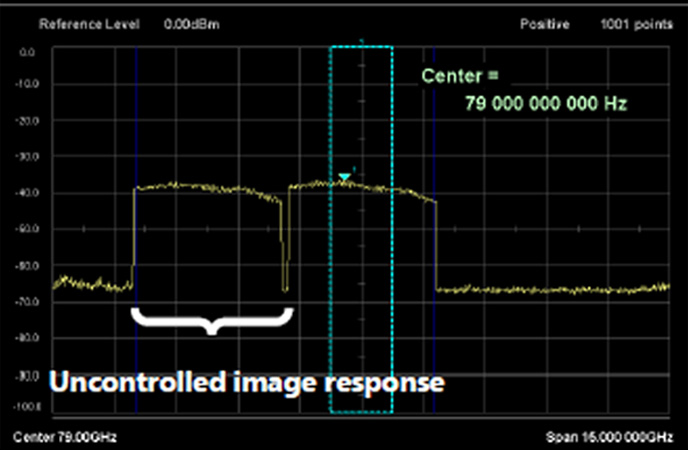
Challenge 1: Accurate evaluation of wide-bandwidth signals in millimeter-wave devices
There is a need for a simple and accurate solution to enable the evaluation of the frequency characteristics of the radio signals output by communication devices using millimeter-wave broadband signals, mobile object detection sensors, and automotive radar.
To achieve this, one method involves a combination of a signal analyzer with an external mixer to convert the frequency of the signal to be measured and expand the measurable frequency range. Evaluating the original signal's frequency characteristics is challenging due to the image response, given that some external mixers receive signals at frequencies that differ from the original. Therefore, engineers must ensure that the image response does not affect the frequency band being measured.
Challenge 2: Selecting the operating frequency of millimeter-wave materials and the optimal measurement system
Radio waves incur losses when propagating through the atmosphere. The reduction becomes even more noticeable with millimeter waves. In addition, the large dielectric constant and dielectric loss of the components and printed circuit board materials used in millimeter-wave devices can lead to attenuation and degradation as signals pass through them, and variations in their characteristics can make it impossible to attain the levels of performance required by the market. Therefore, it is necessary to develop materials with a low dielectric constant and low dielectric loss and subsequently select the material that is most appropriate. To implement these measures, accurate evaluation of the dielectric constant and dielectric loss requires using a suitable dielectric measurement system that aligns with the operating frequency band and material shape.
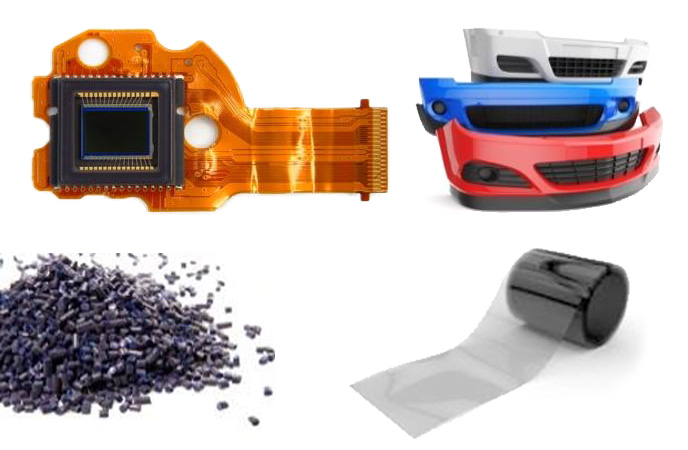
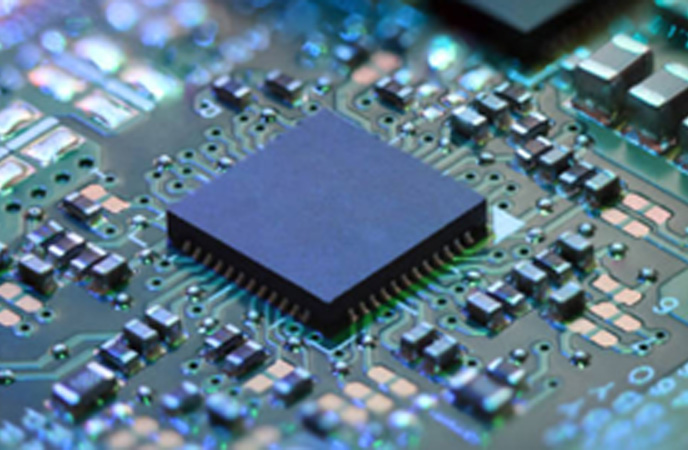
Challenge 3: Ensuring signal quality for millimeter-wave devices
The downsizing of devices is possible since the wavelengths of millimeter waves are shorter than those of microwaves. On the other hand, the downsizing of devices makes them more susceptible to interference and heat from surrounding components and circuits, such that the signal quality is more likely to deteriorate. This makes printed circuit board design and component integration more difficult than in the case of microwave devices. Therefore, ensuring the signal quality of the device is crucial to the verification of the frequency characteristics of the signals transmitted through the device, such as loss and transmission/reflection.
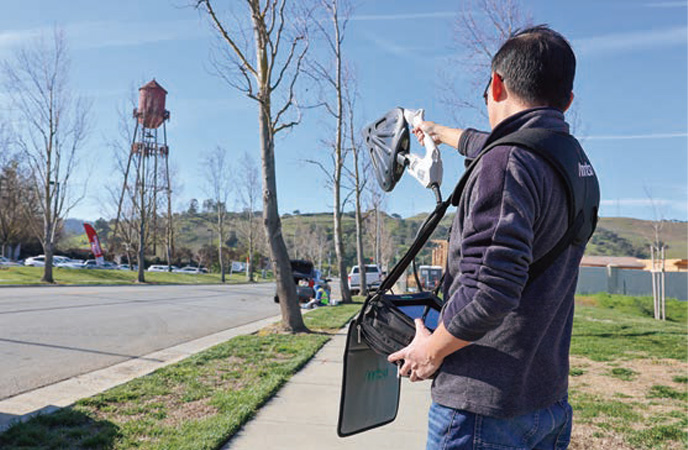
Challenge 4: Communication disruption due to jamming and interference in the field
The millimeter-wave frequency band has been allocated to several applications, including NTN satellite-to-ground communications and astronomical observations. This makes them susceptible to interference from each other's radio waves. Interference and jamming waves can reduce the millimeter-wave communication speed or cause communication errors and, in the worst case, may completely shut down communications. To avoid these issues, checking for the presence of jamming and interference waves is crucial. If any unwanted radio waves are present, locating and eliminating their source is essential.
Millimeter Wave Test Solutions
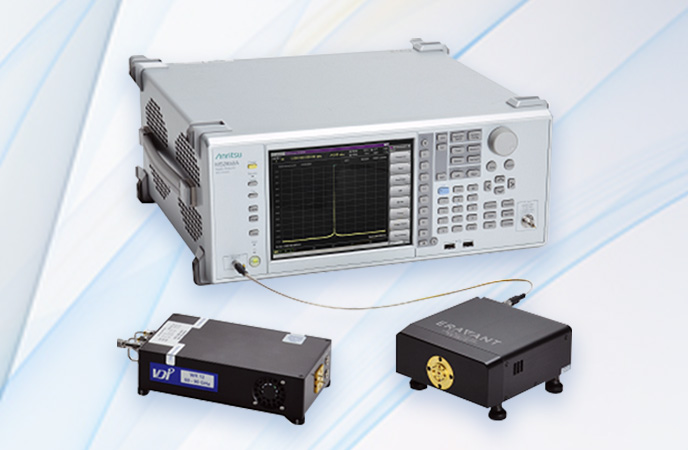
Solution 1: Extending the spectrum frequency range to 50 – 90 GHz/Suppressing image response
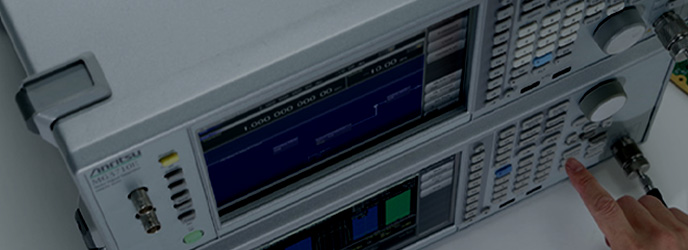
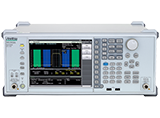
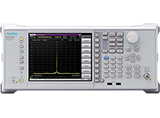
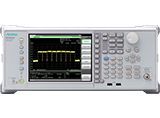
Combining the Anritsu Spectrum Analyzer/Signal Analyzer MS2830A/2840A/2850A with an external mixer from VDI or Eravant extends the measurement frequency range for spectrum and phase noise to 50 – 90 GHz. Furthermore, Anritsu's unique Polarity Swap (PS) function performs an evaluation of the signal spectra while suppressing the effects of unnecessary image responses.
Product Introduction:
Extended Frequency Measurement Solution - External Mixer Connection Function MX284090A
Video:
Measurement Method Using a Signal Analyzer and External Mixer
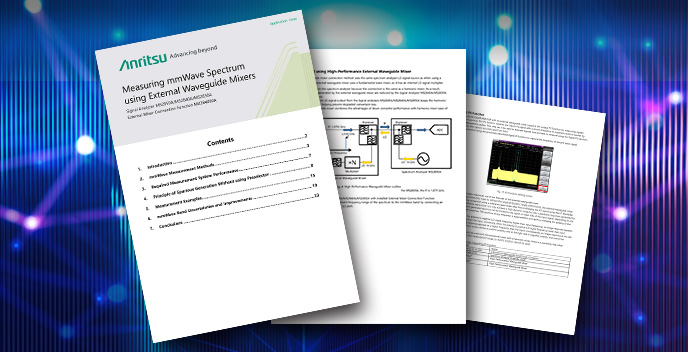
Application Note (PDF):
Measuring mmWave Spectrum using External Waveguide Mixers
Introducing our signal analyzer measurement frequency expansion, Testing Solutions.
Solution 2: Dielectric constant and loss measurement of millimeter-wave materials
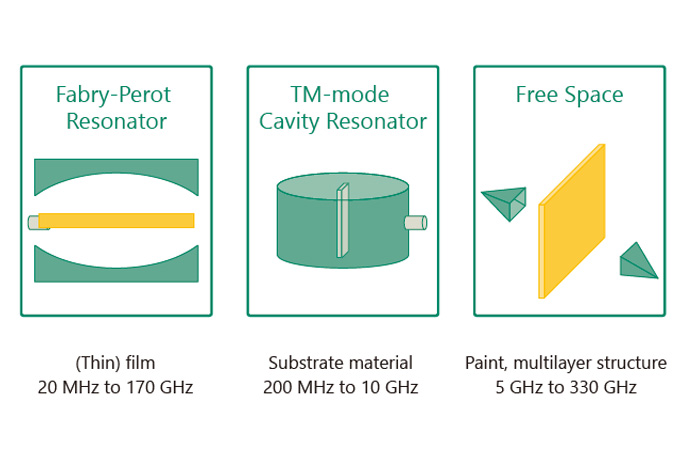
Anritsu offers a range of vector network analyzers (VNAs), which satisfy a variety of dielectric constant measurement needs. The evaluation of the dielectric constant and dielectric loss of materials, as well as their shapes and operating frequency bands, can be achieved by combining VNA with a third-party dielectric constant measurement tool.
For more information, refer to the following document.
Application Note:
Dielectric Measurement Solutions for Materials Utilized in Millimeter Wave
Video:
Dielectric Constant Measurement of Fluorine Materials in 5G/5G-Advanced Applications
Solution 3: Frequency Characterization of Millimeter-Wave Devices
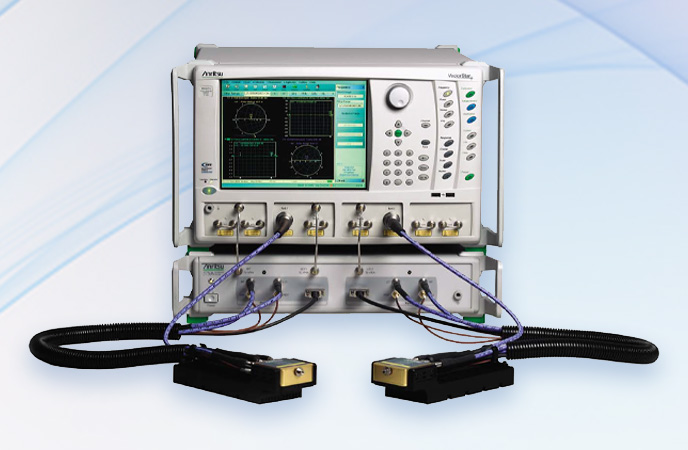
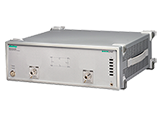
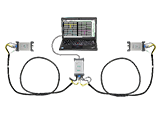
Anritsu VNAs can evaluate the frequency characteristics essential to ensuring transmission quality, such as transmission, reflection, and the S parameters of the printed circuit boards and components of millimeter-wave devices.
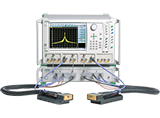
Anritsu VNAs also support the evaluation of the ultra-broadband frequency characteristics, while the VectorStar Broadband VNA ME7838 series covers a frequency range from 70 kHz to 220 GHz. Anritsu VNAs support ultra-broadband frequency characteristics with a single sweep by using the 220-GHz millimeter-wave module MA25400A and an MPI probe tip. Furthermore, Using the millimeter waveguide external module enables millimeter-wave frequencies measurement up to 1.1 THz.
Product introduction:
Solution 4: Jamming and Interference Detection
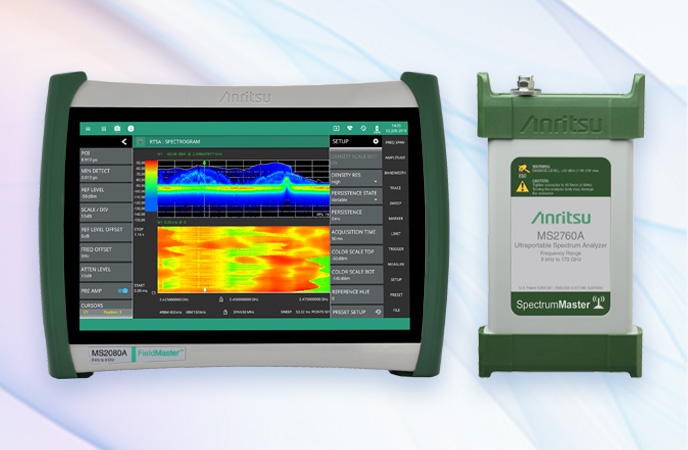
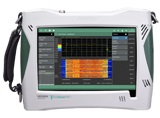
The Anritsu broadband real-time spectrum analyzer, Field Master Pro MS2090A, can instantaneously capture fluctuating jamming and interference signals. It provides continuous frequency coverage from 9 kHz to 54 GHz to support a wide variety of test challenges for wireless technologies (5G, LTE, wireless backhaul, aerospace/defense, satellite systems, radar, and so on). It is handheld and ruggedly designed for outdoor use.
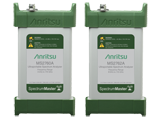
The evaluation of broader frequency characteristics is possible with the Ultraportable Spectrum Master MS2760A/2762A, which continuously covers frequencies up to 170 GHz. It can be used not only for field testing, but also for research and development related to millimeter-wave applications such as automotive radar, antenna beam pattern testing, and radio astronomy.
Leaflet:
Non-Terrestrial Networks (NTNs) Test Solutions Use Case
Application Note:
Resolving Interference Issues at Satellite Ground Stations
White Paper:
Understanding Key Real-Time Spectrum Analyzer Specifications
Case Study
Electronics and Telecommunications Research Institute (ETRI)
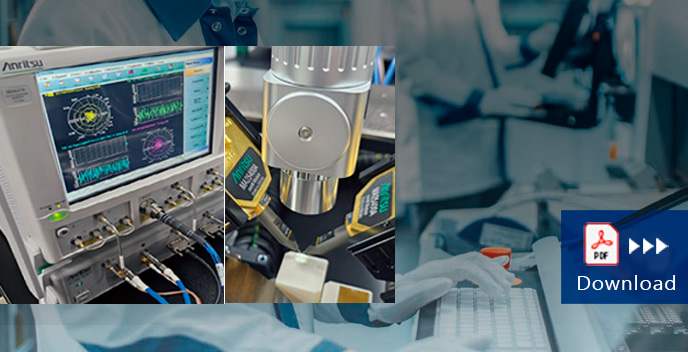
mmWave and sub-THz device evaluation: A leading research institute in next-generation communications and semiconductor technologies established a broadband on-wafer measurement platform using a VNA.
Resources
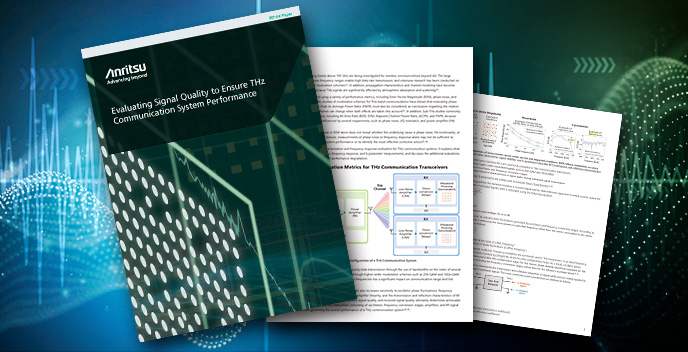
White Paper:
Evaluating Signal Quality to Ensure THz Communication System Performance
In THz communication systems, performance evaluation is essential for transceivers that support wideband signals and higher-order modulation schemes. However, when the expected communication performance cannot be achieved, identifying the root cause is often challenging.
This white paper explains the insights that can be obtained from EVM, phase noise, frequency response, and S-parameter measurements, and reviews the key evaluations required to identify the contributing factors.
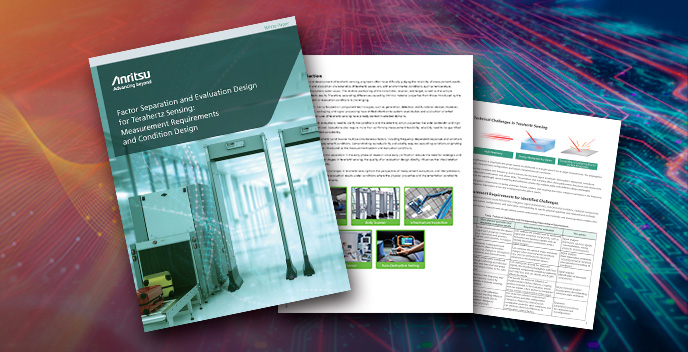
White Paper:
Factory Separation and Evaluation Design for Terahertz Sensing: Measurement Requirements and Condition Design
In R&D in this field, separating variability caused by the object itself from that introduced by measurement conditions and environmental factors remains a key challenge.
This white paper explains methods to isolate these factors and ensure reproducible evaluation in terahertz-band measurements, where environmental conditions, measurement systems, and signal characteristics strongly influence results.

Related Links



Related Products (Spectrum Analyzers)

Related Products (Vector Network Analyzer)


Related Products (Signal Generators/Power Meters)


Contact Us



Copyright 2026