



eCall/NG-eCall/Hybrid eCall
Ensuring safety and security of self-driving vehicles and connected cars
Emergency Call (eCall), Next Generation eCall (NG-eCall), and Hybrid eCall are emergency call systems whereby, in the event of an accident, an In-Vehicle System (IVS) automatically notifies Public Safety Answering Points (PSAPs) via mobile networks. Equipping vehicles with eCall is expected to reduce the severity of injuries and improve the survival rate of occupants. Since the installation of eCall and NG-eCall in new vehicles has been mandated in major countries, particularly in Europe, their adoption is accelerating. Furthermore, these emergency call systems have been categorized as test items by automotive safety assessment organizations, such as the European New Car Assessment Programme (Euro NCAP). As a result, they have become important technologies that influence consumer purchasing decisions.
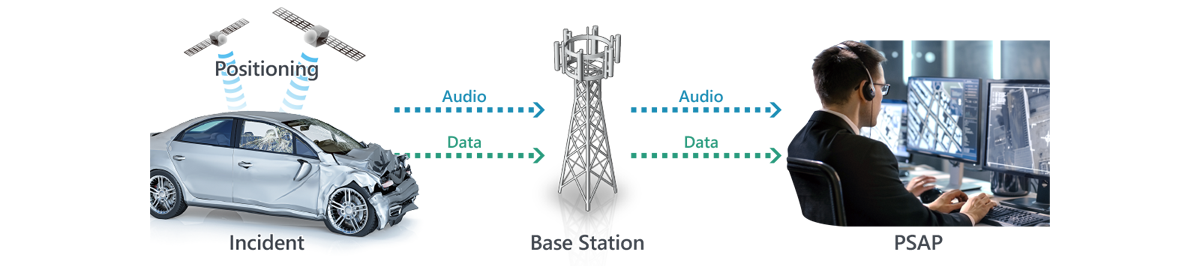
eCall/NG-eCall/Hybrid eCall Overview
eCall utilizes 2G and 3G mobile networks to, in the event of an accident, transmit a Minimum Set of Data (MSD), including location information, vehicle type, and license plate number. However, as support for 2G and 3G networks is gradually being phased out, manufacturers are migrating to NG-eCall that relies on the 4G and 5G mobile networks.
NG-eCall leverages the high data transfer rates of 4G and 5G networks, supporting the Packet-Switched (PS) voice communication standardized in LTE and later technologies. Over and above the information provided by the conventional eCall system, NG-eCall can transmit advanced information, such as real-time video from the accident scene.
Hybrid eCall standards ensure interoperability between the legacy eCall system using 2G/3G and NG-eCall using 4G/5G networks. If a 4G connection is unavailable, the system automatically switches to the 2G/3G networks to maintain emergency call service continuity. This enables eCall functionality even in areas without next-generation network coverage.
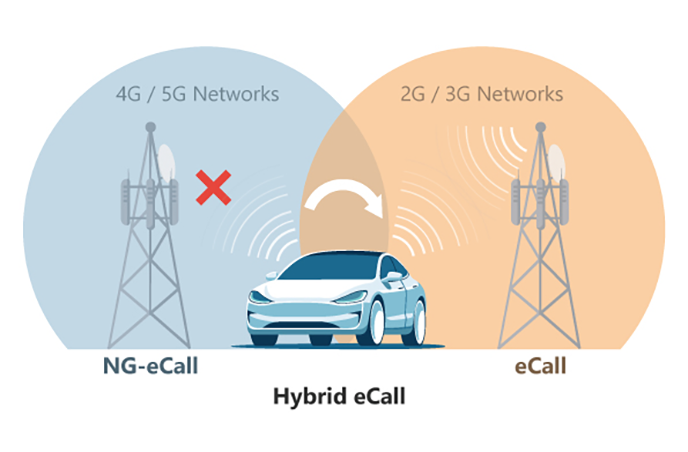
eCall/NG-eCall/Hybrid eCall System Verification Challenges
Challenge 1: Compliance with Government Legislation and Type Approval by Certification Authorities
Automotive manufacturers are required to comply with all the relevant regulations for vehicles equipped with eCall and NG-eCall systems and intended for the European market. Certification by the recognized authorities is essential. Key regulations cover EU/UN standards for eCall, as well as mobile communication protocols such as 2G, 3G, 4G, and 5G. During the development phase, the use of certification-authority-approved testing solutions supports effective design verification. Applying feedback from these verification results to system design is crucial. Inadequate compliance at this stage could lead to overlooked verification items, resulting in failure during type-approval testing. This situation increases troubleshooting costs and delays the market launch.
Currently, Hybrid eCall is not subject to type-approval requirements. However, more manufacturers are considering its adoption, with each of them pursuing technical validation to ensure reliability. Certification authorities are also working to establish testing environments for Hybrid eCall.

Challenge 2: Efficient eCall System Verification
Operation tests during the development stage of emergency call system such as eCall use mobile networks. Unfortunately, simulating the changes in network environment, such as roaming, out-of-network, handover, position, and more, at the appropriate time is difficult on a practical network. In addition, compliance tests of eCall systems require practically impossible but necessary live operation testing. As a result, eCall system development requires using a simulated network to test effectively.
Although confirming the compliance with wireless communications standards is essential, eCall testing requires expertise about wireless standards and technologies as well as an understanding of test procedures. Since acquiring this expertise is difficult and time-consuming for engineers, there can be test problems, missed test items and mis-reading of results as well as wasted test do-over time. As a result, automated test solution is ideal to test efficiently.
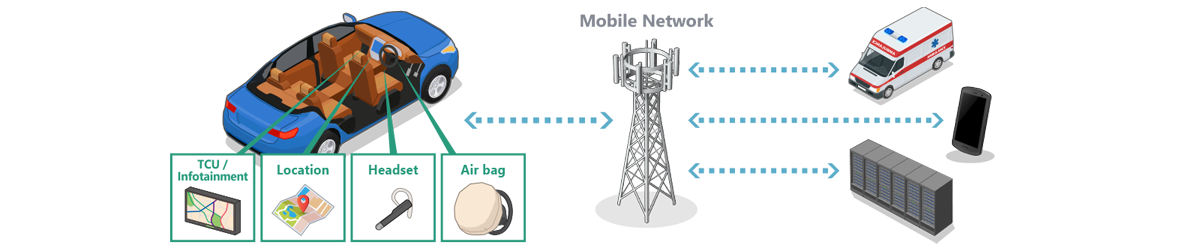
Anritsu eCall System Test Solutions
Solution 1: Functional Test Solution Supporting Legislation and Type Approval
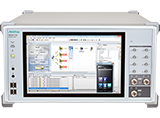
Anritsu's eCall tester has been recognized by testing organizations, including European government agencies, as a PSAP Simulator for eCall certification testing. When combined with a mobile network simulator compatible with the 2G/3G/4G/5G communication standards, it can be used for the following type approvals:
- eCall
- NG-eCall
Anritsu provides certification testing compatible with European eCall, European NG-eCall, and other country-specific eCall standards. Additionally, Anritsu offers functional testing that supports the eCall standards defined by each country, including European eCall, European NG-eCall, South Korean eCall, and Japan eCall.
Furthermore, Anritsu provides functional testing compatible with European Hybrid eCall. Leveraging experience gained from Plugtests and collaborations with third-party certification organizations, Anritsu supports the development and certification processes of automobile manufacturers and Tier 1 suppliers.
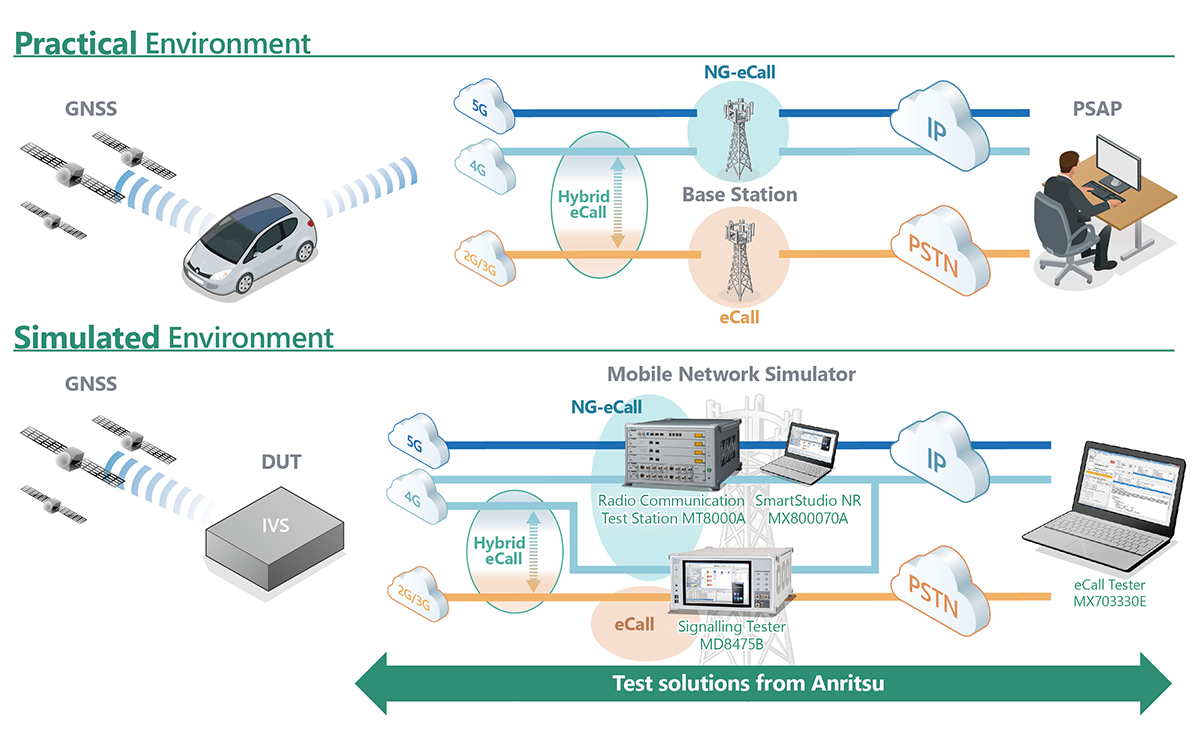
Solution 2: Efficient eCall System Testing
Anritsu's eCall tester is suitable for validating eCall, NG-eCall, and Hybrid eCall systems. When combined with Anritsu's mobile network simulator, it allows users to create a simulated network environment. This supports the controlled introduction of events such as changes in location information, loss of signal, handovers, and roaming at precise timings. As a result, it becomes possible to conduct the quick and reliable testing of MSD data transmission and reception—testing that is often difficult to perform on a live network.
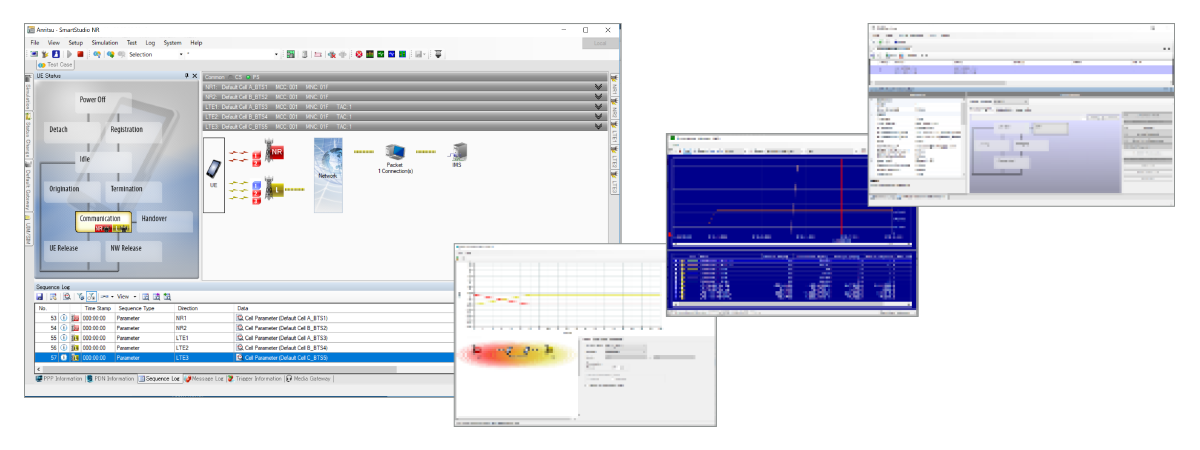
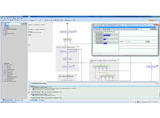
To prevent the missing of test items, the incorrect judgment of results, or the need to repeat validation, test automation is highly effective. The SmartStudio Manager automation software provides an automated test environment for repetitive and comprehensive testing, thereby improving the efficiency of eCall validation.
Case Study
HYUNDAI MOBIS Co., Ltd.
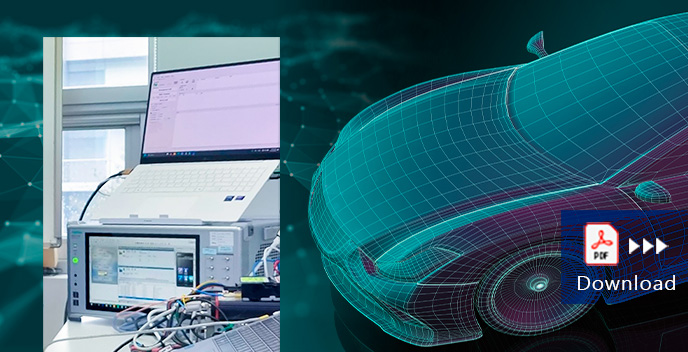
The global automotive parts vendor significantly enhanced the reliability and development efficiency of its Hybrid eCall systems using Anritsu's test solution.
Resources



Related Links

Related Products

Contact Us


Copyright 2026